
Building Stronger Communities via Athletic Opportunities
Athletic opportunities can serve as a powerful catalyst for community building. They not only promote physical health but also foster social connections, teamwork, and a sense of belonging. In a world where many people feel isolated, engaging in sports can bridge gaps and create stronger, more cohesive communities. This blog post explores how athletic opportunities can enhance community ties, provide examples of successful initiatives, and offer practical steps for fostering these connections.

The Importance of Athletic Opportunities
Health Benefits
Engaging in sports and physical activities has numerous health benefits. Regular participation can lead to:
Improved cardiovascular health
Enhanced mental well-being
Better weight management
Increased strength and flexibility
These benefits extend beyond the individual, as healthier community members contribute to a more vibrant and active society.
Social Connections
Sports create a unique environment where individuals from diverse backgrounds can come together. Whether it’s a local soccer league or a community marathon, these events foster friendships and connections that might not occur in other settings.
Teamwork and Collaboration
Participating in sports teaches valuable life skills such as teamwork, communication, and leadership. These skills are essential not only in sports but also in everyday life, helping individuals work together towards common goals.
Examples of Successful Community Athletic Programs
Youth Sports Leagues
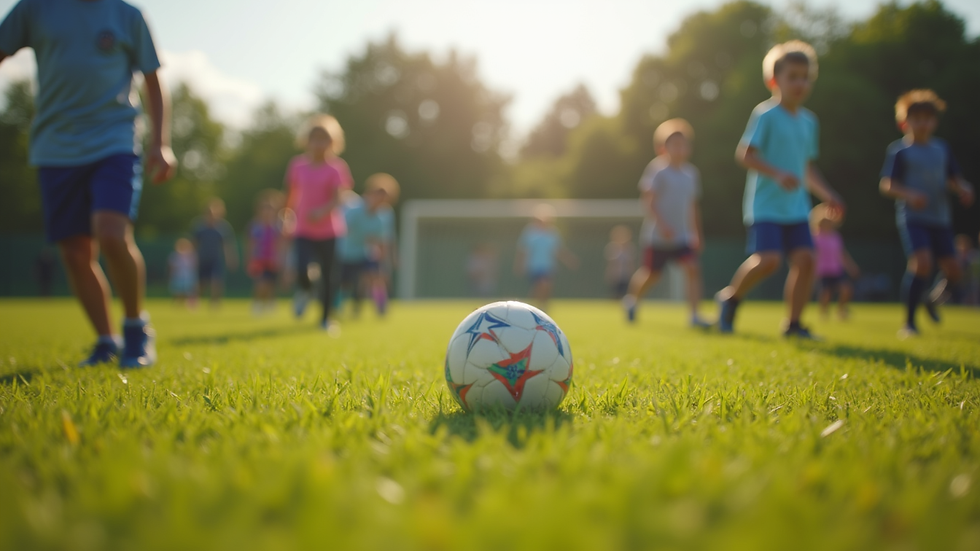
Many communities have established youth sports leagues that provide children with the opportunity to participate in various sports. These leagues often focus on inclusivity, ensuring that children of all skill levels can join. For example, the Little League Baseball program has been instrumental in promoting teamwork and sportsmanship among young players while also encouraging parental involvement.
Community Fitness Events
Organizing community fitness events, such as fun runs or charity walks, can bring people together for a common cause. These events often raise funds for local charities while promoting health and wellness. The Color Run, for instance, is a popular event that combines fitness with fun, attracting participants of all ages and backgrounds.
Adult Sports Leagues
Adult sports leagues provide opportunities for individuals to stay active while also socializing. These leagues often cater to various skill levels and interests, from recreational softball teams to competitive basketball leagues. The National Adult Baseball Association is one example that promotes adult participation in baseball, fostering camaraderie and competition.
How to Foster Athletic Opportunities in Your Community
Assess Community Needs
Before launching any athletic program, it’s essential to assess the needs and interests of your community. Conduct surveys or hold community meetings to gather input on what types of sports or activities people would like to see.
Collaborate with Local Organizations
Partnering with local schools, businesses, and non-profits can help amplify your efforts. These organizations often have resources, facilities, and volunteers that can support athletic initiatives. For example, collaborating with a local gym can provide access to fitness classes or training sessions.
Promote Inclusivity
Ensure that your programs are inclusive and accessible to everyone. This might mean offering scholarships for low-income participants or providing adaptive sports options for individuals with disabilities. The Special Olympics is a prime example of an organization that promotes inclusivity in sports for individuals with intellectual disabilities.
Create a Supportive Environment
Fostering a positive and supportive environment is crucial for the success of any athletic program. Encourage sportsmanship, teamwork, and respect among participants. This can be achieved through workshops, training sessions for coaches, and community outreach.
Utilize Social Media and Local Media
Promote your athletic opportunities through social media and local newspapers. Share success stories, upcoming events, and participant testimonials to generate interest and encourage participation. Highlighting community members’ achievements can inspire others to get involved.
The Role of Schools in Promoting Athletic Opportunities
Physical Education Programs
Schools play a vital role in promoting athletic opportunities for students. Comprehensive physical education programs can instill a love for sports and physical activity from a young age. Schools should prioritize quality PE programs that offer a variety of sports and activities.
After-School Sports
After-school sports programs provide students with additional opportunities to engage in physical activity. These programs can help keep children active and engaged, reducing the likelihood of negative behaviors associated with boredom or inactivity.
Community Partnerships
Schools can partner with local sports organizations to provide students with access to facilities, coaching, and competitions. For instance, a local soccer club might offer training sessions at a school’s field, benefiting both the club and the students.
The Impact of Athletic Opportunities on Community Cohesion
Building Relationships
Athletic opportunities can help build relationships among community members. When people come together to support a local team or participate in an event, they create bonds that strengthen the community fabric.
Enhancing Community Pride
Successful athletic programs can enhance community pride. When local teams perform well or when community members come together for a cause, it fosters a sense of belonging and pride in one’s community.
Reducing Crime and Violence
Research has shown that communities with active sports programs often experience lower crime rates. Engaging youth in sports provides them with constructive outlets for their energy and helps them develop positive relationships with peers and adults.
Conclusion
Athletic opportunities are more than just a means to stay fit; they are essential for building stronger, more connected communities. By promoting inclusivity, fostering teamwork, and creating supportive environments, we can harness the power of sports to enhance community ties. Whether through youth leagues, community events, or school programs, there are countless ways to engage individuals in athletic activities.
As we move forward, let’s commit to creating and supporting athletic opportunities that bring our communities together. The next step is to identify how you can contribute—whether it’s volunteering, organizing an event, or simply participating in local sports. Together, we can build a healthier, more connected community through the power of athletics.

Comments